



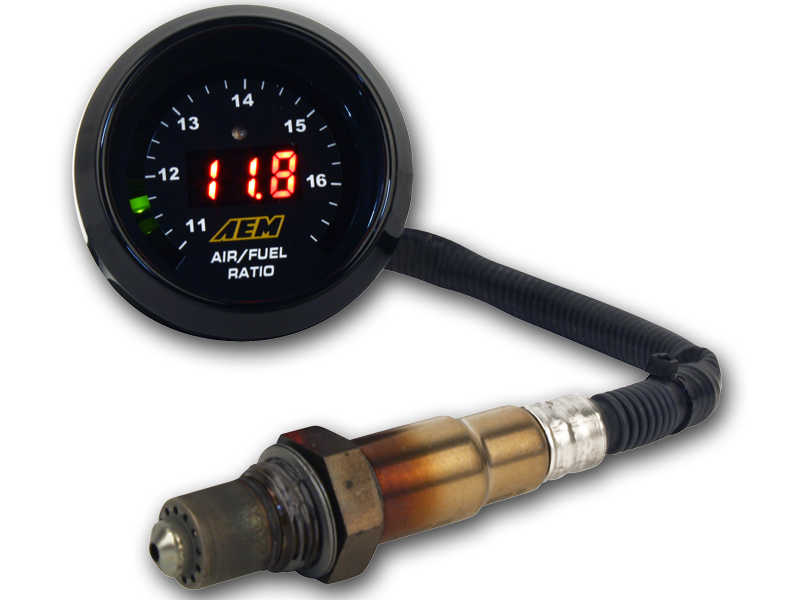
The age-old question is often asked when looking to install aftermarket engine management.
Simply put, it depends on the path you plan to take: Essentially, there are two options with your ECU:
- Tune it yourself
- Pay a Pro Tuner to map it (usually on a dyno)
Before we go into it, this author is going to give his straight, ranty advice. No, you don’t really need one.
Rolling road tuning by a professional is usually around £300-£400 in the UK. For this, they use their own wideband attached to their dyno. You get their experience, a safe environment, and a highly optimised map. A CHEAP wideband and det-cans (to monitor for knock) will be around £300-£400 if you want to have a go road mapping (which always delivers sub-par ignition tables). The tuner’s experience (around 10 years or more is typical), and a dyno is around £50k. It’s worth the extra £0 (yes ZERO POUNDS) to have it tuned right?
If you’re still on the fence, however:
OPTION 1: DIY Tuning
If you plan to go full DIY and tune it yourself then simply put, yes, you will never get the fuelling optimised without one. You can use the feedback from the wideband sensor to help you adjust the VE table manually, allowing you to target the AFR you want (note that without a dyno you may not know the optimum, just a rough idea). You can also use the ME221’s in-built auto-tune to get you somewhere near. That being said, the only real way to get the fuelling properly optimised will be to tune alongside your ignition timing for the best torque. This is not something you can do reliably on the road (you can detect knock, but often then its too late), so again, it’s a trip to the dyno to get it 100%.
DIY tuning is a great learning experience, at the risk of damage to your engine or an inefficient tune. If you’re happy with that risk, and the £200ish for a decent wideband (then the extra £200 for det-cans to monitor for knock) then yes, it’s an option. Also, it is typically more common for builds that may undergo lots and lots of changes, avoiding taking it back to a rolling road after each minor change.
So, for DIY, yes you need one. You end up spending more on the equipment to tune it yourself (usually without the experience needed to get the best) than a visit to the rolling road would cost, however, you get the fun and learning experience of doing it. We have all stuck Airfix models together that cost a lot more than a toy plastic plane right?
It’s also a handy tool to have as an early warning system. This only applies IF you know what the numbers mean. If you don’t, then it’s simply a worry gauge. Note advanced ECUs like the ME442 has a wideband control system built-in. They don’t have a gauge for the dash (as no race driver has time to read an AFR number!) but they do allow the ECU to protect the engine should something go astray…
OPTION 2: Getting it Pro-Tuned
If you plan to head to the rollers to get it set up, and want a more hands-off install, then no need for a wideband at all. The dyno operator will use their own wideband during mapping, will optimise the fuelling and ignition, and, everything being equal, it should never change once tuned. Yes, if you have a spare £200 it doesn’t hurt to have more info making its way into the ECU (or onto a dash gauge) but unless you know what those numbers mean it’s really just pretty lights (or a worry gauge!)
What tricks can I do with the ME ECUs with a Wideband?
So, if you do run a wideband (with the ME221) or you use the inbuilt wide-band control of the ME442/ME221+ Plugins, then there are some pretty nifty features you can play with.
The first, and most basic, is just simply targeting the right AFR. You can set up your Target AFR table, map the VE table as normal, then enable wide-band closed-loop control to adjust live for any minor on-road/real-world differences of changes – always hitting the correct AFR.
The next, is to use it to not only hit the right AFR, but also to log those changes, and constantly trim the main fuel tables – this is called “LTT”, or Long Term Trim, and there is a video of its operation here.
Another, is the use of the Auto-Tune in MEITE, to help you get the VE map dialed in quickly on a steady-state tuning system such as a rolling road or engine dyno – a video of it in action on our engine dyno is here.
The final, and probably most important, is to use the AFR feedback for safety. You can use General Purpose Tables to automatically protect your engine in the event that you hit 16:1 AFR when under 1 Bar of boost (sign of a failing fuel pump!). A great feature to protect the engine from serious damage occurring by hitting a hard limiter, flashing a light, or some other corrective action.


